

Most homeowners do not think about their front door until something goes wrong. A break-in down the street. A screen that finally rusted through after fifteen Melbourne summers. A toddler who figured out how to push the flimsy old flyscreen right open. That’s usually when the search for security screen doors Melbourne homeowners actually trust begins, and by then people are often in a rush, comparing options without really knowing what separates a good door from a decent-looking mistake.
This blog walks through the features that actually matter. Not marketing fluff, just the practical stuff that decides whether your door holds up for ten years or needs replacing in three.
Why the Mesh Matters More Than the Frame
People obsess over frame colour and forget the mesh is doing most of the work. The mesh is what stops a break-in attempt, keeps insects out, and takes the daily beating from wind, dust, and pets scratching at it.
There’s a real difference between grades here. Standard aluminium mesh is fine for low-risk areas or budget-conscious buyers. But if you want something that resists cutting, prying, and general wear over decades, stainless steel mesh security screen doors are worth the extra spend. The tighter weave and higher tensile strength make them harder to damage, and they don’t corrode the way cheaper alternatives do near coastal breezes or humid bathrooms.
A rough way to think about it: the mesh should outlast the paint job. If a supplier can’t tell you the mesh grade or thickness off the top of their head, that’s a red flag worth noting.
Frame Material Changes the Whole Equation
Aluminium and steel are the two main players, and each suits a different situation. Aluminium frames are lighter, resist rust well, and cost less upfront. They work nicely on standard doorways where you are not expecting extreme force. Steel frames, on the other hand, are heavier duty. They flex less under pressure and generally offer stronger resistance against forced entry, though they do need decent powder coating to avoid rust over time near Melbourne’s wetter months.
Neither is universally better. It depends on your entry point, your budget, and honestly how paranoid you are about security. A back door in a quiet cul-de-sac has different needs than a front entrance on a busy road.
Locking Systems Are Where Corners Get Cut
This is the part buyers skip past too fast. A door can look tough and still have a weak lock buried inside it.
Here’s what to actually compare:
- Three-point locking systems engage the frame at three separate points instead of one, making the door far harder to force open.
- Deadlocks with anti-bump cylinders stop the common lock-picking method burglars use on standard pin tumbler locks.
- Reinforced strike plates matter just as much as the lock itself, since a weak strike plate lets even a good lock get kicked through.
If a supplier is vague about the locking hardware, ask directly. Good installers will happily explain it because they know it’s the feature that gets skipped by budget competitors.
Ventilation Without Sacrificing Protection
Melbourne weather swings between stinking hot and freezing overnight, sometimes in the same week. A good screen door should let that breeze through without turning your entryway into a security gap.
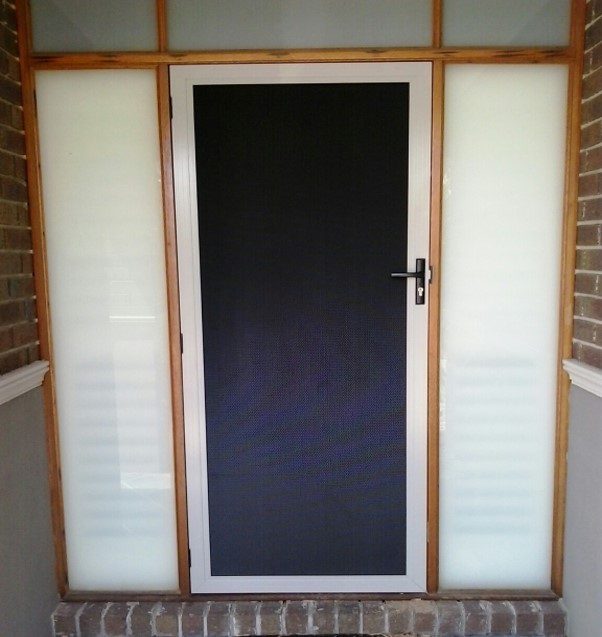
Perforated mesh options handle this well, offering decent airflow while still maintaining strength. Privacy mesh is a step further for anyone who wants to see out without people seeing in, which matters more than people expect once they’ve lived with it for a year. It’s a small comfort thing, but it changes how much you actually use your front door with it shut.
Custom Fit Beats Off the Shelf
A door that’s slightly too small leaves gaps. Gaps mean weak points, and weak points defeat the whole purpose of buying a security door in the first place.
Measuring matters more than most people realise going in. Older Melbourne homes, especially weatherboard places-built decades back, often have frames that aren’t perfectly square anymore. A custom measure and fit accounts for that. Off-the-shelf options rarely do, and the result is a door that looks fine in photos but rattles or doesn’t lock cleanly six months later.
Warranty Terms Tell You What They Actually Believe
A supplier’s warranty is basically their own confidence rating on the product. Twelve months covering manufacturing defects is standard across the industry. Anything shorter should raise a question. Anything that excludes obvious wear-and-tear issues without explanation is worth reading twice.
Ask what’s covered and what isn’t before signing anything, not after. Warranty terms buried in fine print are where good intentions go to die.
Style Options That Still Hold Up Structurally
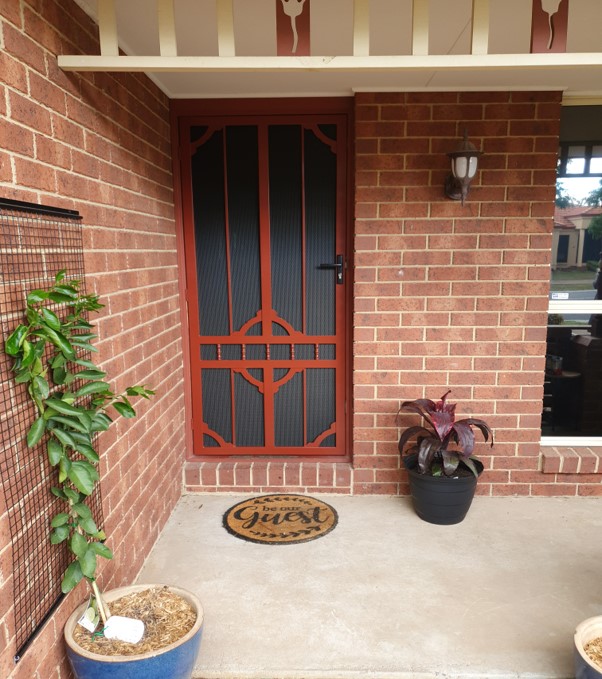
Design shouldn’t come at the cost of strength, and thankfully it rarely has to anymore. Colonial styles with decorative grille patterns suit older character homes. Diamond grille designs are more classic and budget-friendly. Sleek modern lines work better on newer builds with clean facades.
The trick is picking a style that matches your home’s era without settling for a weaker mesh or frame just because it looks nicer. A reputable supplier offering Security Door Mesh in multiple finishes should be able to keep the same structural quality across every style option, not just the premium ones.
A Quick Real-World Comparison
Two neighboring homes in Melbourne’s north west installed screen doors around the same time a few years back. One went with a basic aluminium diamond grille door from a discount supplier. The other chose a stainless mesh privacy door with a three-point lock. Within two years, the cheaper door’s mesh had started sagging near the bottom corner from regular use. The other one still closes exactly the way it did on day one. Same climate, same exposure, very different outcome. That’s the kind of gap a few hundred dollars upfront can prevent down the track.
Making the Final Call
Buying a security screen door is not a decision to rush through on a Saturday afternoon between errands. Mesh grade, frame material, locking hardware, custom fit, and warranty terms all play a part in whether you get years of reliable use or a repeat purchase sooner than planned.
The best approach is asking direct questions before committing. What mesh grade is this. What’s the frame made from. What locking system comes standard. A supplier who answers clearly and without hesitation is usually one worth trusting with your front entrance.
Conclusion
Choosing a security screen door really comes down to five things: the mesh grade, the frame material, the locking hardware, how well the door is fitted to your frame, and what the warranty actually covers. Skip any one of these and you risk paying for a door that looks solid in the showroom but lets you down within a year or two.
Clear Breeze Security Doors has been helping Melbourne homeowners make that call with confidence since 1994.
Frequently Asked Questions
What is the strongest type of security door mesh available in Melbourne?
Stainless steel mesh generally offers the strongest resistance to cutting and prying, making it a popular choice for homeowners who want maximum durability alongside good airflow.
Are aluminium security screen doors as strong as steel ones?
Aluminium doors are lighter and more affordable, but steel frames typically offer greater resistance to forced entry. The right choice depends on the specific entry point and level of security needed.
How long do quality security screen doors usually last?
With proper installation and a good mesh grade, a well-made security screen door can last well over a decade, especially with a three-point locking system and rust-resistant frame.
Do security screen doors affect airflow and natural light?
Not if chosen correctly. Perforated and privacy mesh options are designed to maintain strong ventilation and light while still providing solid protection against intrusion.