

A break-in happens in Australia roughly every few minutes, and most of them start at a door that looked strong but wasn’t. That’s the uncomfortable bit nobody tells you when you’re shopping around for shop security doors. The door might look the part in a showroom photo, but once it’s bolted onto your actual entryway, a lot of that strength turns out to be more marketing than substance.
This blog walks through what actually separates a good security door from one that just looks tough. No jargon overload, no sales pitch dressed up as advice. Just the stuff worth knowing before you spend money on something bolted to your front entrance for the next decade or two.
Why the material choice comes first
Every security door conversation eventually comes back to material. It’s the single biggest factor in how the door performs, ages, and holds up against both weather and unwanted attention.
Homeowners usually land on one of three options: aluminium, steel, or a mesh-based design. Each has a place. Aluminium is lighter and cheaper, which makes it a fine pick for low-risk areas or budget-conscious renovations. But if security is genuinely the priority, not just an afterthought, that’s where steel security doors tend to win out.
Steel frames resist prying and impact far better than aluminium. They’re heavier, sure, and that weight is exactly the point. A door that can be kicked or levered open in seconds isn’t really a security door at all, it’s a screen with good intentions.
Where steel makes the biggest difference
Steel really earns its keep on ground-floor entries, side doors, and anywhere out of view from the street. Those are the spots burglars actually target, not the front door under a porch light where a neighbour might see something.
What shop security doors actually means
There’s a bit of confusion around the phrase shop security doors, and it’s worth clearing up. It doesn’t just mean doors bought from a store. It usually refers to doors designed with commercial-grade toughness in mind, the kind originally built for retail premises and adapted for residential use. That heritage matters because commercial-grade doors are engineered to survive repeated stress, forced entry attempts, and years of daily wear without sagging or warping.
If a supplier markets something as a shop-grade door, ask what standard it was actually built to. A door that’s simply been given a tougher name without tougher engineering behind it isn’t doing you any favours.
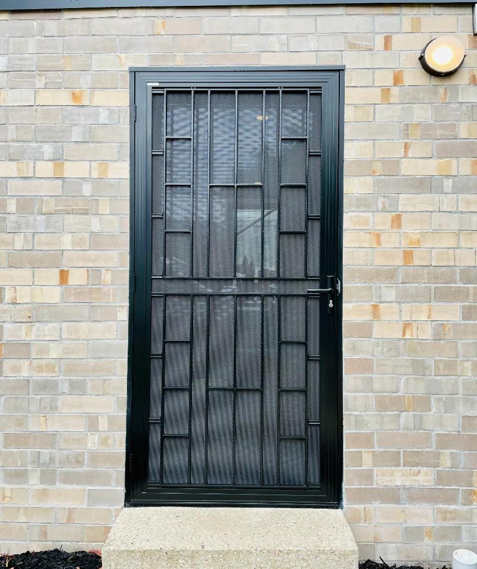
The lock matters more than the frame.
A brilliant frame with a weak lock is like a strong front door with a flimsy deadbolt. It looks secure until someone actually tests it.
Here’s what to check before buying:
- A three-point locking system, which secures the door at the top, middle, and bottom rather than relying on a single latch
- Reinforced hinges that can’t be popped off with a screwdriver in under a minute
Cheaper doors often cut corners here because locks are expensive and buyers rarely inspect them closely before purchase. Ask to see the locking mechanism up close. If the seller hesitates or brushes past the question, that tells you something too.
Mesh, airflow, and the trade-off nobody explains
This is where a lot of buyers get caught out. A tighter mesh generally means better security, but it can also restrict airflow, which matters a lot in Melbourne summers when you actually want that door open and breathing.
Perforated mesh strikes a decent middle ground. It lets air move through while still offering a real physical barrier. Privacy mesh goes a step further by limiting visibility from outside, handy if your entry faces a busy street or a neighbour’s window, though it does reduce natural light a touch.
There isn’t a single best mesh. It depends on where the door sits, how much privacy you want, and honestly how much breeze you’re chasing on a stinking hot February afternoon.
Metal security doors and the rust question
Rust is the quiet dealbreaker most people do not think about until year three or four. Metal security doors near coastal air or in humid pockets of the suburbs can corrode faster than people expect, especially if the coating was not applied properly in the first place.
A few habits keep this from becoming a problem:
- Wipe down the frame every few months, particularly after storms or salty air exposure
- Check the mesh and hinges yearly for early rust spots before they spread
Powder-coated finishes tend to outperform basic painted ones here. It’s a small detail at purchase time that pays off years down the track.
Getting the size and fit right
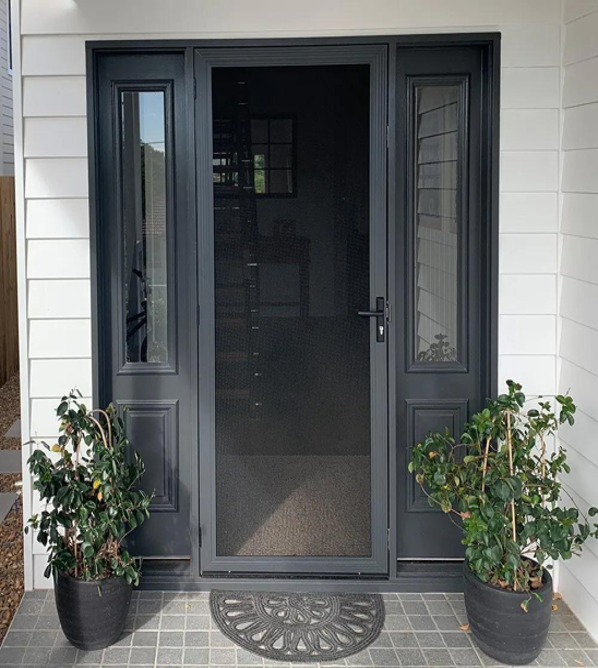
A door that does not fit properly is not secure, no matter what it’s made of. Gaps around the frame give intruders leverage, and poorly fitted doors also let in more dust, insects, and drafts than a snug installation ever would.
This is honestly where a lot of DIY attempts go wrong. Measuring an entryway sounds simple until you are accounting for uneven frames, older homes with slightly warped door jambs, or brick that’s shifted a few millimeters over decades. Professional measuring avoids all of that guesswork.
Questions worth asking before you buy
Before signing off on any door, it helps to ask the supplier a few blunt questions. What’s the warranty period, and does it cover defects only or general wear too? What locking system comes standard, and can it be upgraded? Is the mesh tested against forced entry, or is that just assumed because it’s metal?
A supplier who answers these clearly and without dodging is usually one worth trusting with your front entrance.
Conclusion
Choosing a security door is not just about picking whatever looks sturdy on a showroom wall. It comes down to material, lock quality, fit, and a bit of honest maintenance over the years. Get that right and the door earns its keep quietly in the background, doing its job without ever needing attention. For anyone in Melbourne weighing up their options, Clear Breeze Security Doors has been helping local homeowners work through exactly these decisions since 1994.
Frequently Asked Questions
Are steel security doors better than aluminium for home use?
For most homes, steel security doors offer stronger resistance to forced entry and generally last longer under heavy daily use. Aluminium is lighter and more budget-friendly, which suits lower-risk entries, but steel tends to hold up better where security is the main concern.
Do shop security doors cost more than standard security doors?
Not always. Pricing depends more on materials, mesh type, and locking hardware than on the shop-grade label itself. It’s worth comparing actual specifications rather than assuming a higher price automatically means better protection.
How often should metal security doors be checked for rust?
A quick visual check every few months is enough for most homes, with a more thorough inspection once a year. Homes closer to the coast or in humid areas should check more frequently since salt air speeds up corrosion.
What’s the difference between privacy mesh and standard security mesh?
Privacy mesh limits how much can be seen from outside while still allowing airflow, making it useful for street-facing entries. Standard mesh offers clearer visibility and slightly better airflow but less visual privacy.