

The Practical Homeowner’s Guide to Security Screen Doors and Expert Maintenance
The transition between a lush outdoor landscape and the interior features of a home is often defined by a single point: the doorway. Whether your view consists of a manicured garden, a rugged coastal horizon, or a bustling suburban street, the integrity of your entryways dictates how you interact with the world outside. Security screen doors serve as more than just a barrier; they are a functional integration of ventilation, visibility, and protection.
Maintaining these structures requires a blend of technical knowledge and consistent upkeep. From the mechanical intricacies of lock cylinders to the tactile process of mesh tensioning, understanding how to manage repairs and replacements ensures your home remains a functional sanctuary.
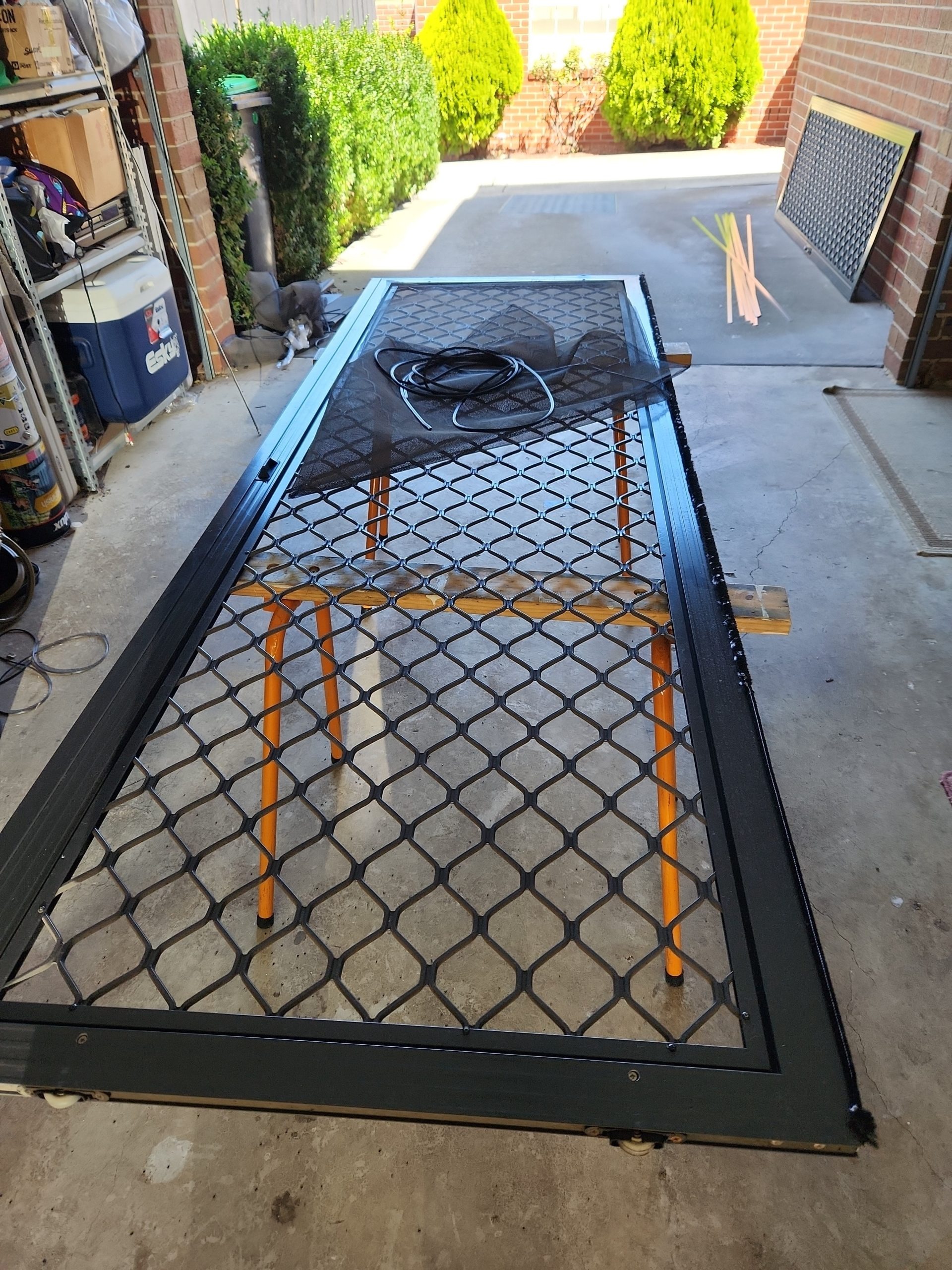
Understanding the Anatomy of Security Screen Doors
A high-quality Security screen doors Melbourne is an investment in the structural features of your property. Unlike standard flyscreens, which primarily exist to keep insects at bay, a security-grade door utilizes robust materials designed to withstand pressure.
Material Integrity
Most modern frames are constructed from either architectural-grade aluminum or tempered steel. Aluminum offers excellent resistance to corrosion, which is vital if your home’s landscape is subject to salt spray or high humidity. Steel, while heavier, provides a level of structural rigidity that is difficult to bypass.
The Infill Options
The “infill” is the material that fills the frame. Options range from perforated aluminum sheets to 316-grade stainless steel woven mesh. The choice of infill affects both the aesthetic features of your entrance and the level of airflow allowed into the living space. Stainless steel mesh is often preferred for its “uninterrupted view” quality, allowing you to appreciate the surrounding landscape without the visual clutter of traditional bars.
Precision in Security Door Lock Replacements
The lock is the brain of the security door. Over years of use, the internal springs, pins, and cams within a lock body can degrade. If you notice the handle sagging or the key becoming difficult to turn, a Replacement mesh for screen door is often safer and more cost-effective than a temporary fix.
Identifying the Mechanism
Most security doors utilize a mortice lock or a three-point locking system. A three-point system is particularly effective because it engages the door frame at the top, middle, and bottom, spreading the load and making it significantly harder to jemmy open.
The Replacement Process
When swapping out a cylinder or the entire lock body, precision is paramount.
- Measurement: You must measure the “backset” (the distance from the edge of the door to the center of the keyhole) to ensure the new hardware aligns with existing holes.
- Cylinder Swap: If the handle and internal casing are fine, you might only need to replace the euro-cylinder. This is a straightforward task involving the removal of a single retaining screw on the side of the door.
- Alignment: A common issue during replacement is the misalignment of the strike plate. If the door doesn’t click into place smoothly, it puts undue stress on the lock, leading to premature failure.
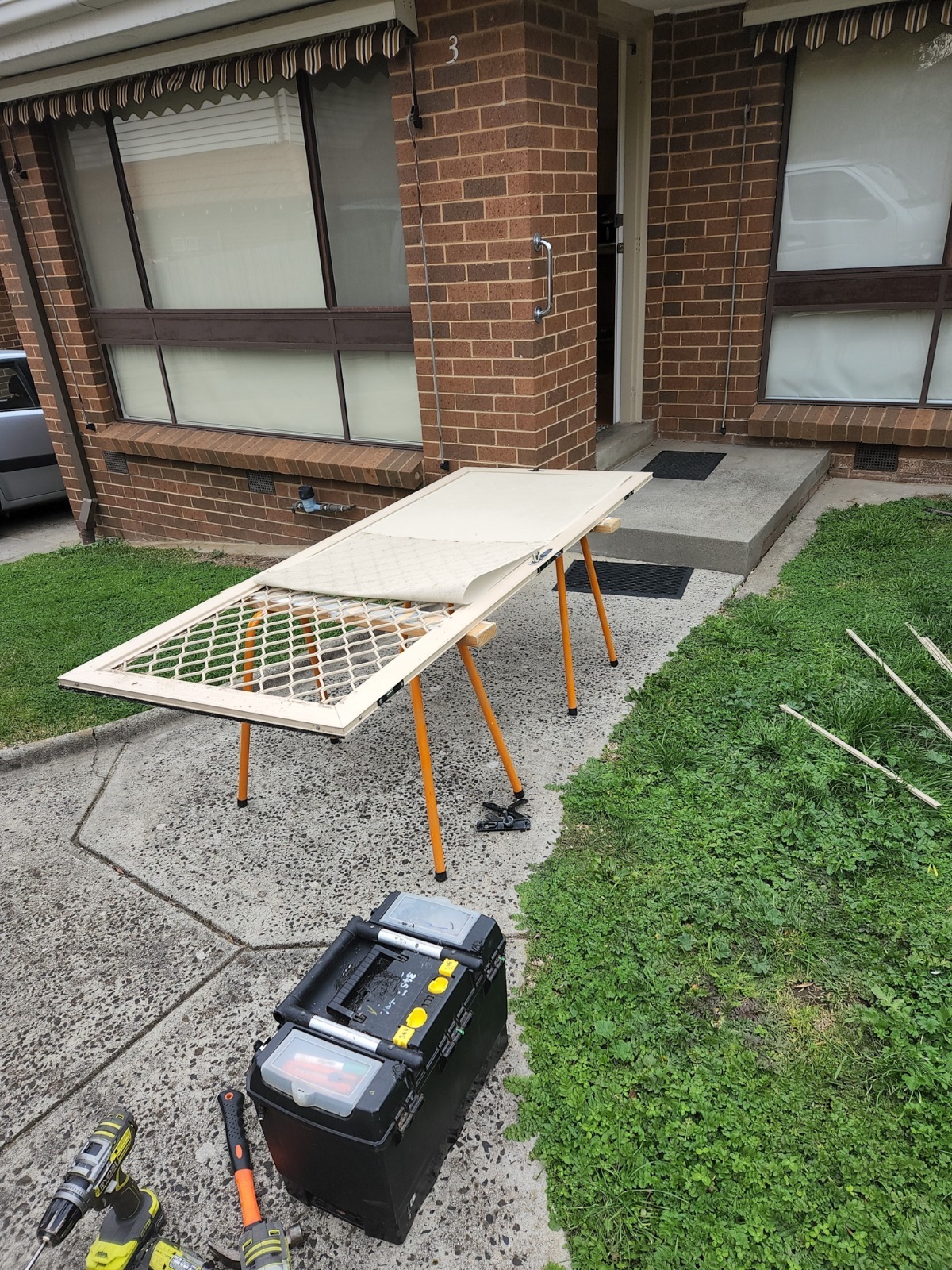
Screen Door Mesh Replacement: Beyond the Basics
Mesh is the most vulnerable component of any screen door. Whether it’s due to a pet’s claws, a stray pebble from a lawnmower, or simple UV degradation, the mesh will eventually require attention.
Selecting the Right Material
Not all mesh is created equal. Depending on your environment, you may choose:
- Fiberglass Mesh: Economical and flexible, but lacks high-security properties.
- Pet-Resistant Mesh: A heavy-duty vinyl-coated polyester that is seven times stronger than standard mesh.
- Small-Aperture (Midge) Mesh: Designed for landscapes near water where tiny insects are a frequent nuisance.
- Stainless Steel Security Mesh: Requires professional installation but offers the highest level of impact resistance.
The Art of the Rescreen
To replace the mesh, you will need a spline roller and the correct diameter of “spline”—the rubber cord that holds the mesh in the channel. The secret to a professional finish is maintaining “even tension.” If you pull too tight, the door frame may bow; too loose, and the mesh will sag and rattle in the wind.
Essential Screen Door Repairs and Troubleshooting
General wear and tear can manifest in several ways. Addressing these small issues early prevents them from becoming expensive structural problems.
Correcting Door Sag
If your door is scraping against the threshold, the hinges are likely the culprit. Over time, the screws can loosen or the hinge pins can wear down. Replacing old hinges with heavy-duty, ball-bearing versions can significantly improve the swing and “feel” of the door.
Pneumatic Closer Adjustments
Most screen doors feature a pneumatic closer to prevent the door from slamming. These tubes have a small adjustment screw at the end. Turning it clockwise will slow the closing speed, while counter-clockwise will speed it up. If fluid is leaking from the cylinder, the internal seals have failed, and the unit should be replaced.
Tracking and Rollers for Sliding Doors
For sliding security screens, the rollers at the bottom of the door bear the entire weight of the unit. These rollers often collect dirt and debris from the outdoor landscape. Cleaning the tracks and lubricating the wheels with a silicone-based spray (not grease, which attracts more dirt) can make a heavy door feel weightless.
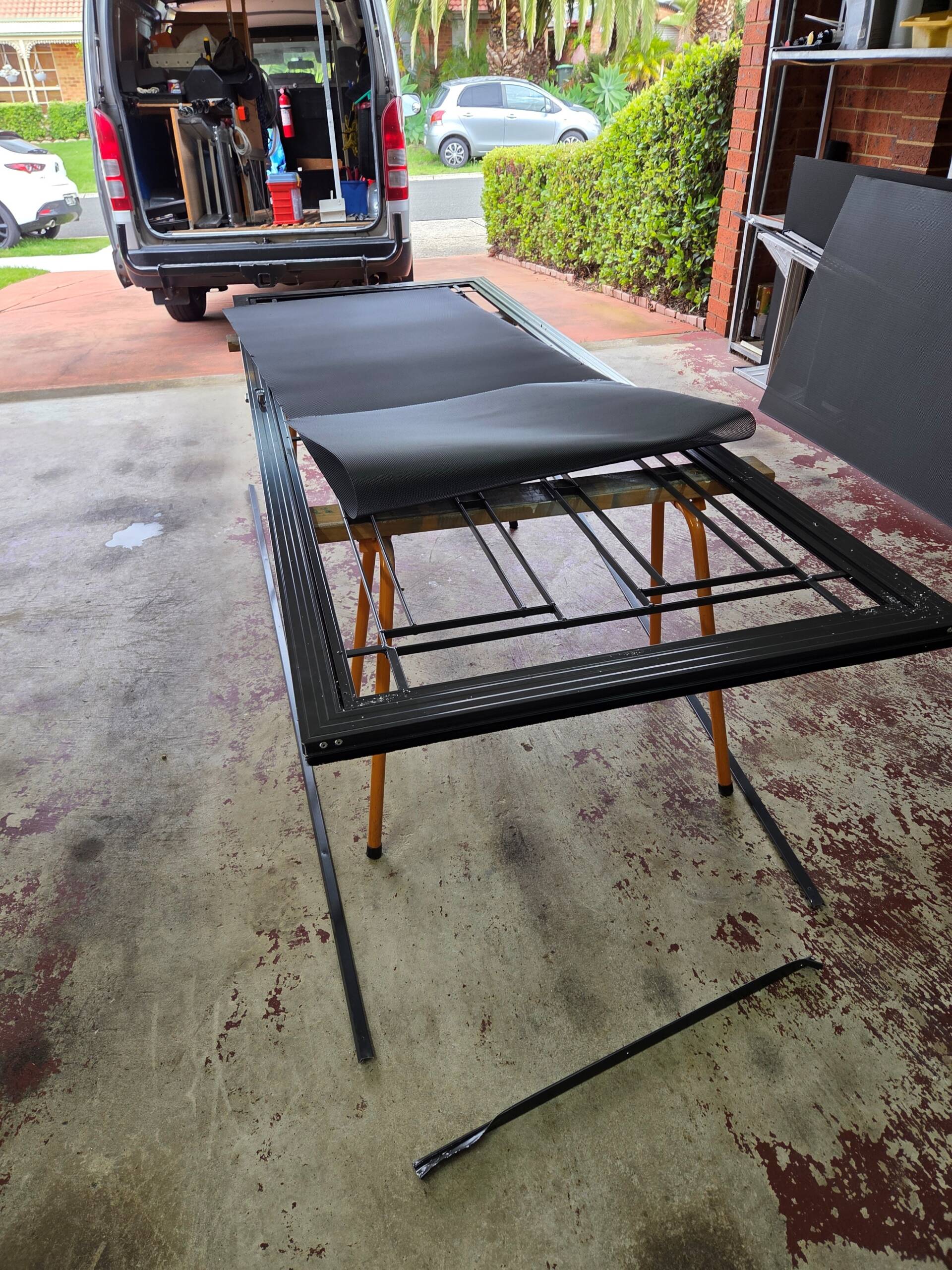
Enhancing Longevity Through Maintenance
To ensure your door remains a standout feature of your home’s exterior, a regular maintenance schedule is necessary.
- Cleaning: Use a soft cloth and a pH-neutral detergent to wash away salt, dust, and pollutants. This is especially important for the mesh, as buildup can restrict airflow and eventually cause “tea-staining” or corrosion.
- Lubrication: Every six months, apply a dry lubricant to the lock’s keyway and the hinges. Avoid oily lubricants that can gum up the internal pins.
- Visual Inspections: Check for any gaps between the door and the frame. A well-fitted door should have a consistent gap of about 3mm to 4mm all the way around.
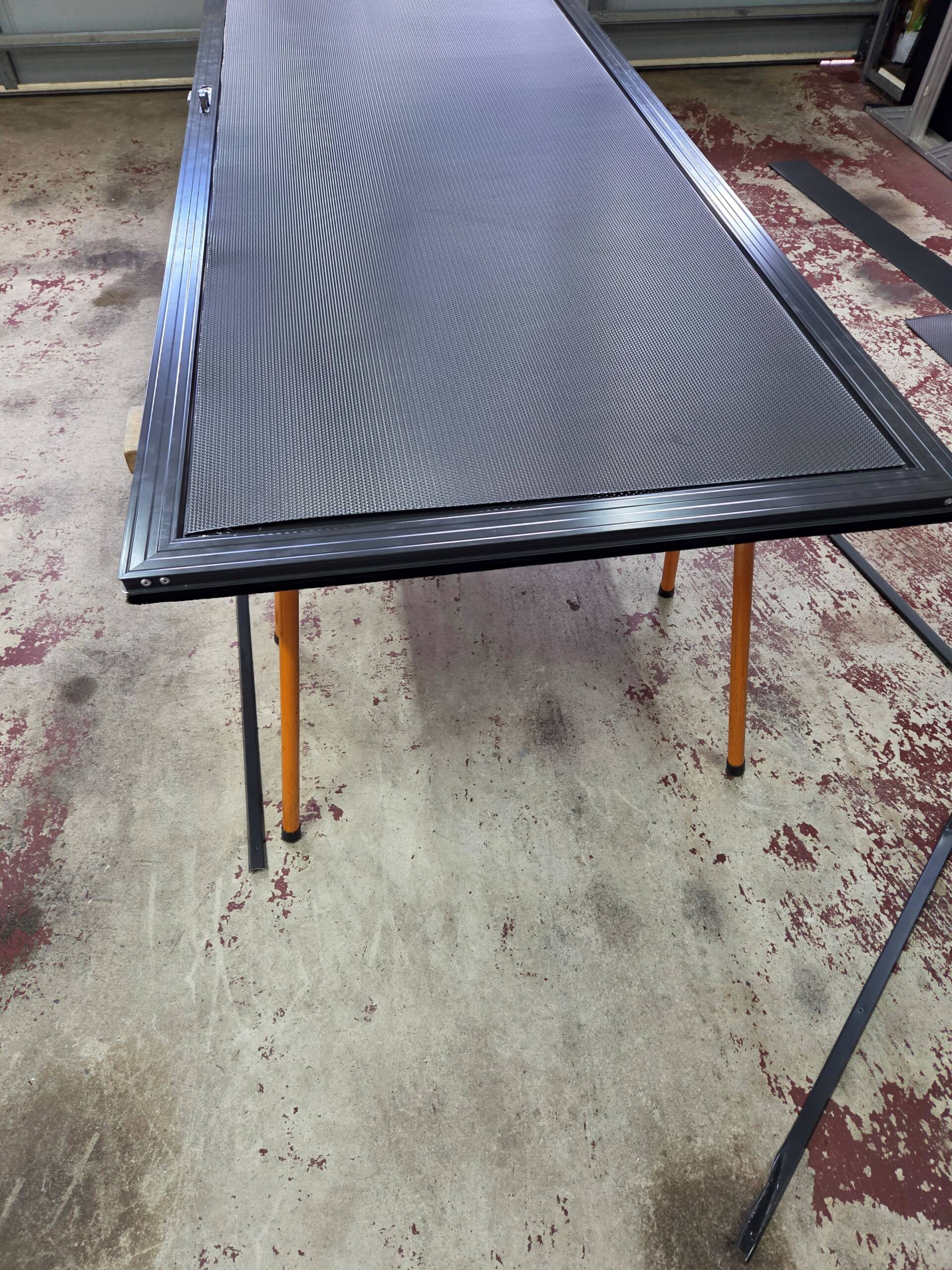
Why Quality Hardware Matters
The hardware—handles, snibs, and hinges—is where you physically interact with your home’s security. Opting for zinc-plated or stainless steel components prevents the “pitting” look that occurs with cheaper metals. When these features are maintained correctly, they contribute to a seamless transition from your indoor living area to the beauty of the outdoors.
By focusing on these technical aspects of security screen door maintenance, you ensure that your entryways remain robust and reliable. Whether you are performing a simple mesh swap or a complex lock replacement, the goal is always the same: a functional, silent, and secure doorway that complements your home’s unique landscape.
Would you like me to create a customized maintenance checklist for your specific door type to help you stay organized?
Contact Clear Breeze Security Doors
- Phone: 0418 314 248
- Email: sales@clearbreezedoors.au
- Location: Delahey, Victoria, 3037
- Services: Mesh Replacement, Lock Repairs, New Installations, Powder Coating.
Secure your home today with the clarity and breeze you deserve.