

The Ultimate Guide to Security Screen Mesh Replacement, Lock Repairs, Powder Coating Solutions & Door Restoration.
In the modern landscape of home ownership, the security door is often the unsung hero of the household. It stands as the first line of defense against intruders, the primary filter for fresh air, and a significant element of your home’s curb appeal. However, like any functional component of a house, security doors are subject to wear and tear. Mesh can tear, locks can jam, and sliding rollers can degrade.
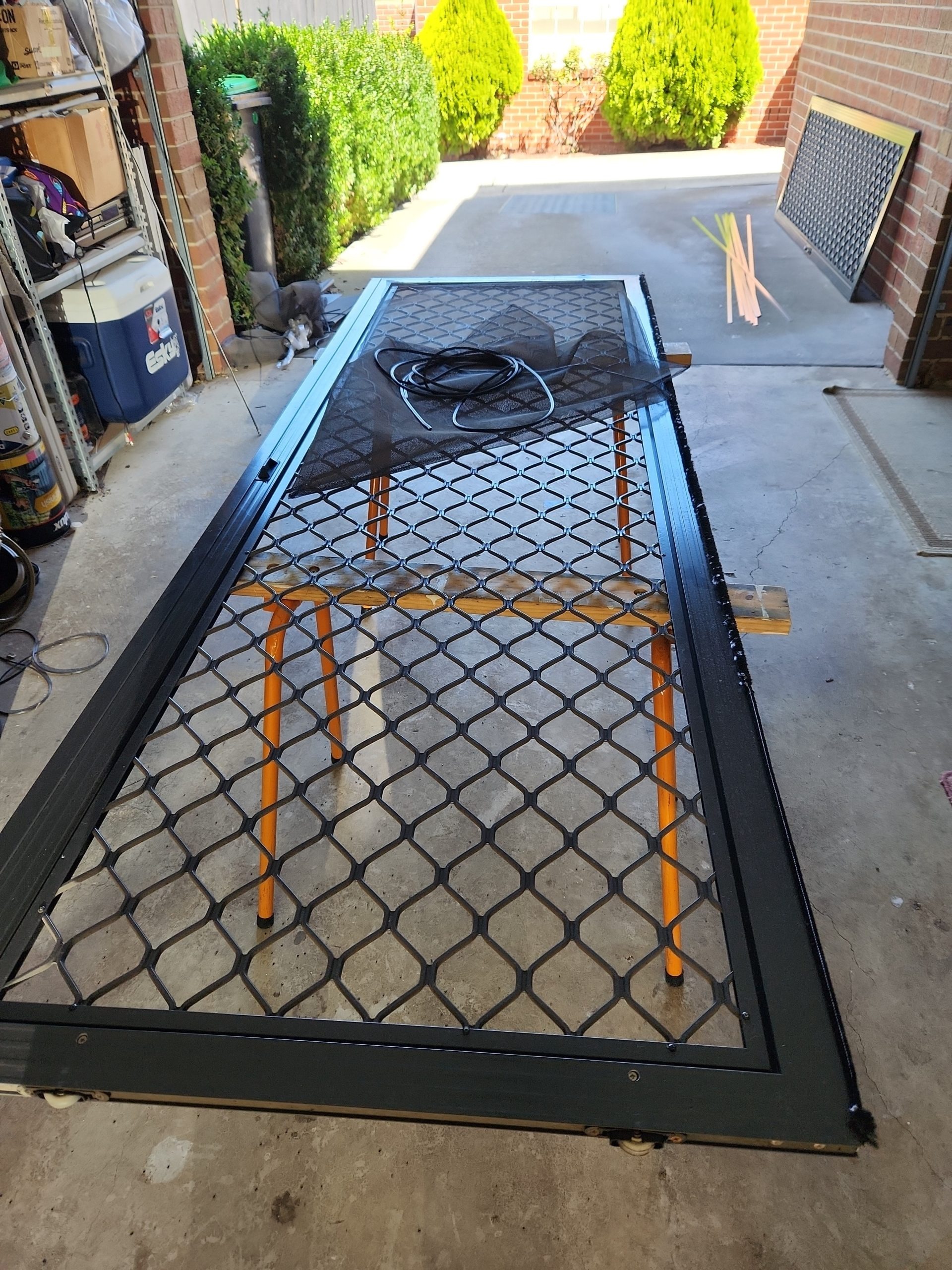
This comprehensive guide will delve deep into the world of security door maintenance, focusing on the critical services provided by Clear Breeze Security Doors. We will explore everything from the intricacies of different mesh types—like stainless steel versus one-way vision—to the mechanical importance of heavy-duty deadbolts and sliding rollers. Whether you are located in the Northern or Western suburbs of Melbourne, or simply looking to understand how to maintain your home security infrastructure, this article covers it all.
Part 1: The Integrity of Your Security Mesh
The mesh is the “screen” in “security screen.” It is the component that occupies the most surface area and, consequently, takes the most abuse. It faces the harsh Australian sun, withstands rain and wind, and resists the claws of family pets. Over time, even the highest quality mesh can degrade.
Signs You Need Mesh Replacement
Before discussing the types of mesh available, it is vital to recognize when a replacement is necessary. Many homeowners overlook minor damage, but small issues can quickly compromise the door’s function.
- Visible Tears and Holes: The most obvious sign. Even small holes can allow flies, mosquitoes, and spiders to enter your home, defeating the purpose of a flyscreen. Furthermore, a hole in a security mesh creates a weak point that a potential intruder could exploit with a tool to manipulate the lock from the inside.
- Corrosion and Rust: If you live in a coastal area or a region with high humidity, metal mesh can corrode. “White rust” on aluminum or red rust on steel indicates that the structural integrity of the wire strands is weakening.
- Sagging or Billowing: Mesh should be taut. If the mesh ripples or billows when the wind blows, it has come loose from the spline or frame. This not only looks unsightly but indicates the mesh is no longer secure.
- Fading and brittleness: UV rays can make fiberglass mesh brittle over time. If you touch the mesh and it feels chalky or snaps easily, it is past its lifespan.
Exploring Mesh Options: Which is Right for You?
Clear Breeze Security Doors offers a variety of mesh types, each designed for specific needs ranging from budget-friendly insect protection to high-grade security.
- Fibreglass Screening Mesh
The Standard Choice. Fiberglass mesh is the most common material found in standard flyscreens. It is flexible, affordable, and resistant to unraveling and wrinkling.
- Pros: It is cost-effective and easy to install. It doesn’t corrode and offers good airflow.
- Cons: It offers minimal security against intruders. A sharp object can cut it easily. It is also less resistant to pet claws.
- Best For: Windows or doors where insect protection is the primary goal, and security is secondary (or handled by grille bars).
- Aluminium Screening Mesh
The Stronger Alternative. For those who want something more durable than fiberglass without the premium price tag of stainless steel, aluminum mesh is an excellent middle ground.
- Attributes: It is strong, long-lasting, and rigid. Unlike fiberglass, it won’t sag over time. It typically comes in a charcoal color which helps reduce glare.
- Installation Note: Because it is metal, it requires more specialized handling during manufacture and wiring to ensure it sits flat and secure in the frame.
- Best For: Homes requiring higher durability against wear and tear, and better resistance to pets than fiberglass.
The Premium Security Solution. When security is paramount, stainless steel mesh is the gold standard. It is commonly used in modern security doors where the homeowner wants a clear view without diamond grilles or bars obstructing the sightline.
- Corrosion Resistance: Security Door Mesh is specifically designed for coastal areas or harsh environments. It resists the salty air that eats away at lesser metals.
- Aesthetics: This mesh is often powder-coated black. This isn’t just for looks; the black coating absorbs light, making the mesh “disappear” to the human eye when looking from the inside out, providing excellent visibility.
- Security: It is incredibly difficult to cut or kick through, effectively acting as a steel sheet that lets air pass through.
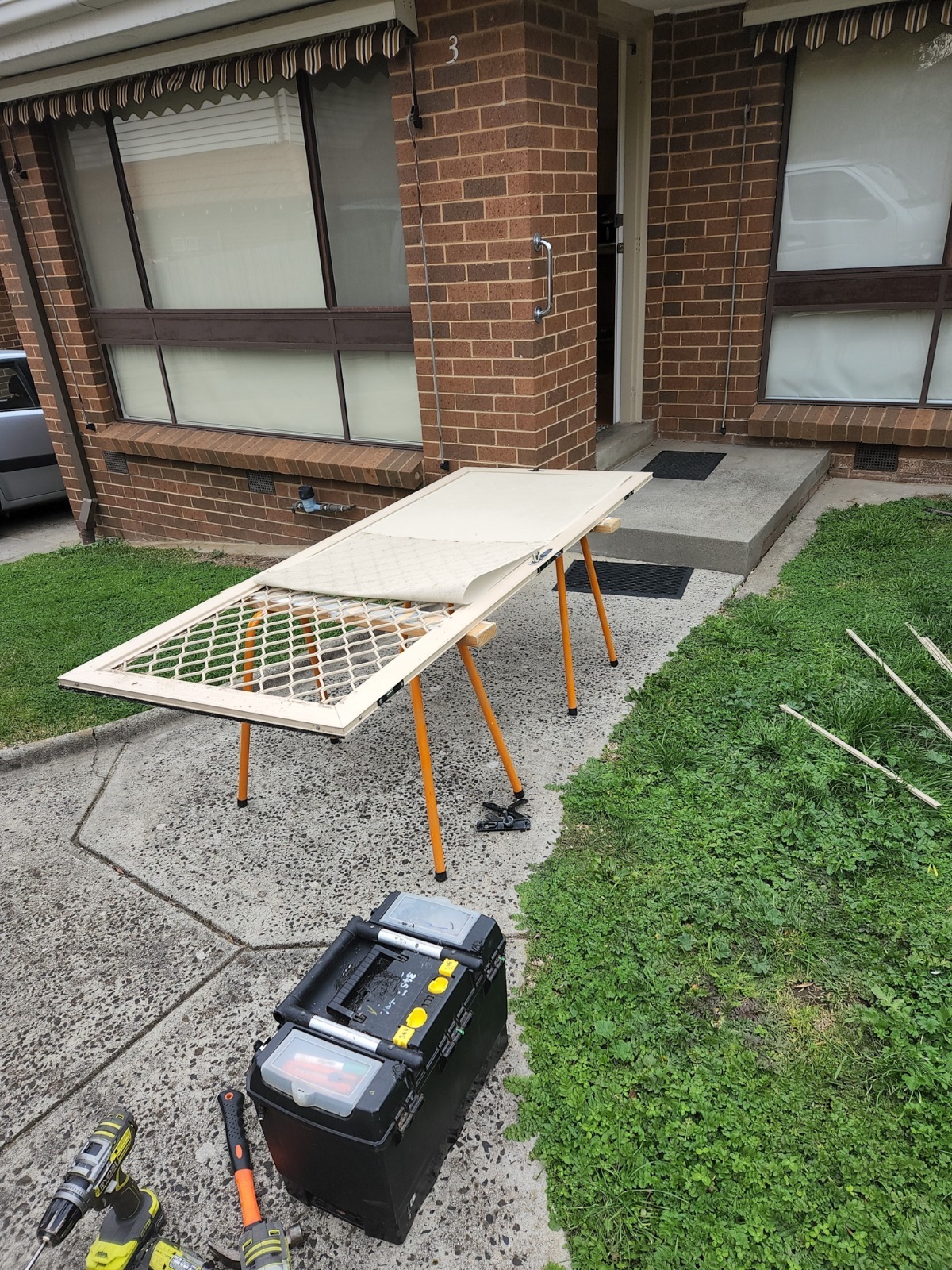
- One-Way Vision Mesh (DVA Mesh)
Privacy Meets Security. Also known as DVA (Diminished Vision Aluminium) mesh, this is a perforated aluminum sheet that allows you to see out, but limits the ability of others to see in.
- How it Works: The physics of this mesh relies on lighting conditions. It works on the principle of light reflection. For the one-way effect to function, the light source on the outside must be brighter than the inside.
- The “Lightbox” Effect: During the day, sunlight hits the external face of the mesh and reflects off it (usually creating a solid appearance to the passerby). Inside, where it is darker, you can see through the holes.
- Limitations: It is crucial to understand that at night, if you have your internal lights on and it is dark outside, the effect reverses. People outside will be able to see in.
- Best For: Front doors facing busy streets where daytime privacy is desired without closing the solid entry door.
Part 2: Security Door Lock Repairs and Maintenance
A security door is only as secure as its lock. You could have the strongest stainless steel mesh in the world, but if the lock cylinder is corroded or the latch doesn’t engage the striker plate properly, the door is merely a decoration.
Clear Breeze Security Doors specializes in diagnosing and fixing these specific mechanical issues.
Common Lock Problems
Locks are mechanical devices with moving parts. Over years of use, dust, grit, and moisture work their way into the mechanism.
- The “Spinning” Key: You insert the key, but it just spins without engaging the bolt. This usually indicates a broken tailpiece or a disconnected cam inside the cylinder.
- Key Jamming: The key goes in but won’t turn, or it turns but won’t come out. This is often caused by bent pins inside the tumbler or a worn key.
- Misalignment: If you have to lift the door handle or push the door hard to get the lock to click, the door has dropped or the striker plate is misaligned. This puts immense stress on the lock, eventually leading to failure.
- Rust and Seizing: In outdoor environments, internal springs can rust, causing the latch to stick in the open or closed position.
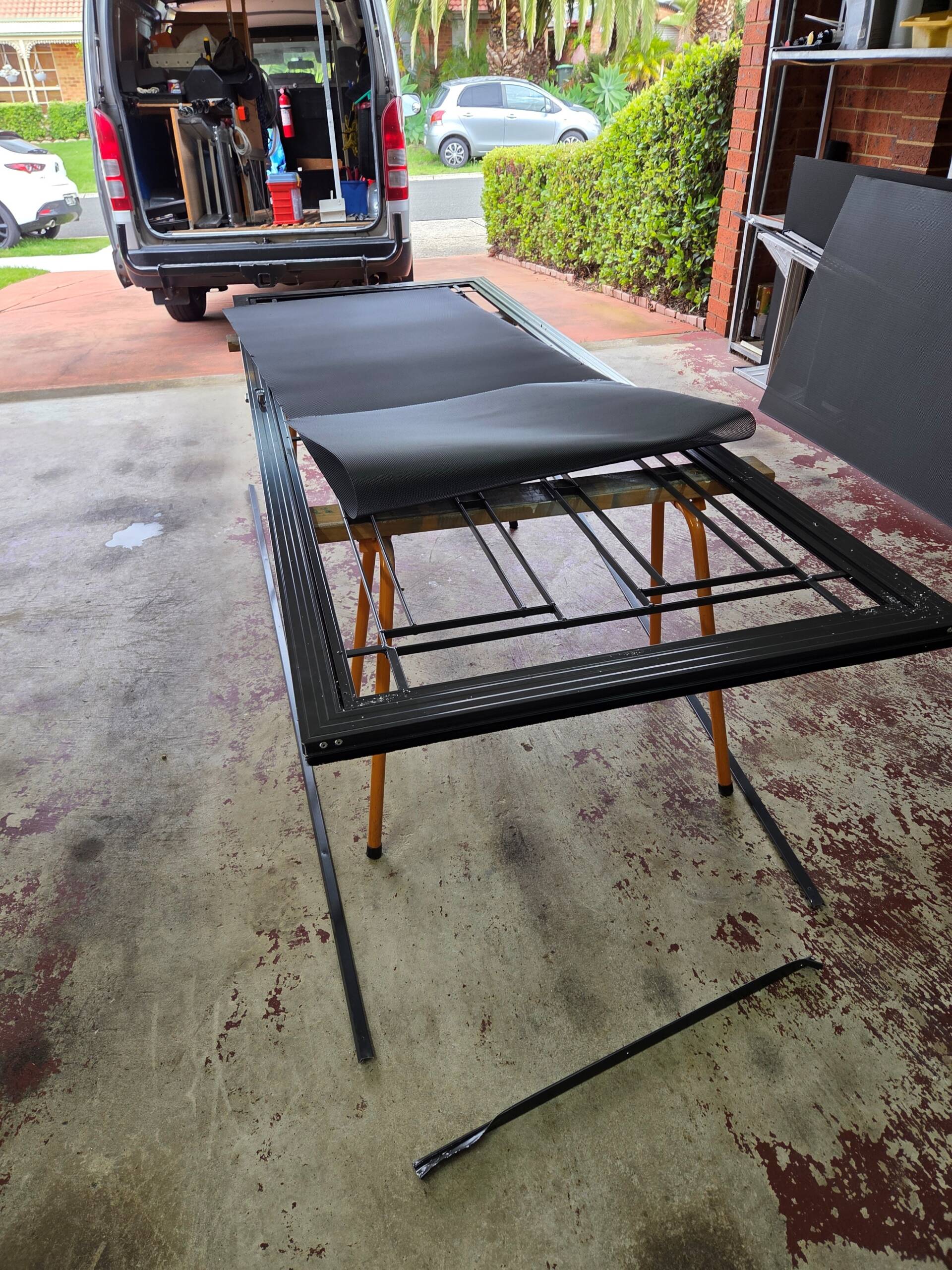
The Clear Breeze Lock Repair Service
Clear Breeze emphasizes a prompt response to lock issues. Their services cover a wide spectrum:
- Lock Maintenance: Cleaning and lubricating internal mechanisms to prevent seizing.
- Lock Inspection: Assessing the current security level of your hardware.
- Rekeying: If you have lost a key or moved into a new house, you don’t always need to replace the whole lock. Rekeying the cylinder renders old keys useless and provides you with a new set.
- Upgrades: Moving from a standard latch to a Heavy Duty Double Cylinder Deadbolt.
Why Upgrade to a Double Cylinder Deadbolt?
Standard door handles often have a simple latch. A “deadbolt,” however, extends a solid steel bolt deep into the door frame.
- Double Cylinder: This means the door is keyed on both sides. If an intruder breaks the mesh, they cannot simply reach in and turn a thumb-turn to unlock the door. They would need the key to exit as well.
- Insurance Compliance: Many Australian home insurance policies require deadlocks on all external doors. Upgrading your hardware ensures you are compliant and covered.
Part 3: Sliding Security Screen Door Roller Replacement
If you have a sliding security door leading to your patio or backyard, you know the frustration of a “stuck” door. You pull the handle, the door shudders, screeches, and drags along the track.
This is rarely a problem with the door frame itself; it is almost always the rollers.
The Anatomy of a Sliding Door
Sliding doors do not slide on the frame; they roll on small wheels (rollers) housed inside the bottom rail of the door. These rollers sit on a metal track (a raised rib) on the floor.
Why Rollers Fail
- Dirt and Debris: The bottom track is a magnet for dog hair, sand, and dust. As the roller moves over this debris, it gets compacted into the wheel bearings, seizing them up.
- Flat Spots: Once a wheel seizes and stops spinning, you end up dragging it. This grinds a flat spot onto the wheel. Once a wheel has a flat spot, it will never roll smoothly again—it will “clunk” with every rotation.
- Rust: Many older rollers use steel bearings that are not sealed. Moisture leads to rust, and rust leads to failure.
The Replacement Process
Repairing sliding door rollers is deceptive. It looks easy, but it requires removing the door from the frame, which can be heavy and awkward.
- Clear Breeze’s Approach: Their technicians remove the door, inspect the carriage (the housing for the wheel), and replace the rollers with new, high-quality units.
- Track Maintenance: Replacing rollers isn’t enough if the track is damaged. If the track has bumps or gouges, it will destroy the new rollers in months. Clear Breeze inspects the track alignment and condition, ensuring a holistic repair.
Pro Tip: Never force a jamming sliding door. The excessive force can crack the corner joints of the aluminum door frame, turning a cheap roller repair into a clear need for a completely new door.

Part 4: Abrasive Blasting and Powder Coating
Sometimes, the mechanics of the door are fine, but the aesthetics are tired. The paint might be chipped, peeling, or faded by the sun. Clear Breeze offers Abrasive Blasting and Powder Coating solutions to refurbish existing steel security doors.
What is Powder Coating?
Unlike traditional wet paint, powder coating is applied as a free-flowing, dry powder. It is applied electrostatically and then cured under heat. This creates a finish that is:
- Harder and Tougher: It is much more resistant to chipping and scratching than conventional paint.
- Uniform: It provides a smooth, drip-free finish.
- Protective: It seals the metal completely, preventing rust from forming underneath the coating.
The Refurbishment Value
If you have a high-quality steel security door (like a heritage or colonial style) that fits your doorway perfectly, it is often more cost-effective to refurbish it than to buy a new one.
- Removal: The door is taken off-site.
- Abrasive Blasting: The old paint and any surface rust are blasted away, stripping the door back to bare metal.
- Coating: A new color is applied. You can update an old green door to a modern black or charcoal to match a renovation.
- Re-meshing: Usually, refurbishment is paired with re-meshing, resulting in a door that looks brand new.
Part 5: Custom Security Solutions and Installation
Every home is different. A door that fits a 1990s brick veneer home might not fit a 1920s weatherboard cottage. This is why “off-the-shelf” security doors from big-box hardware stores often result in frustration. They require packers, shims, and awkward adjustments.
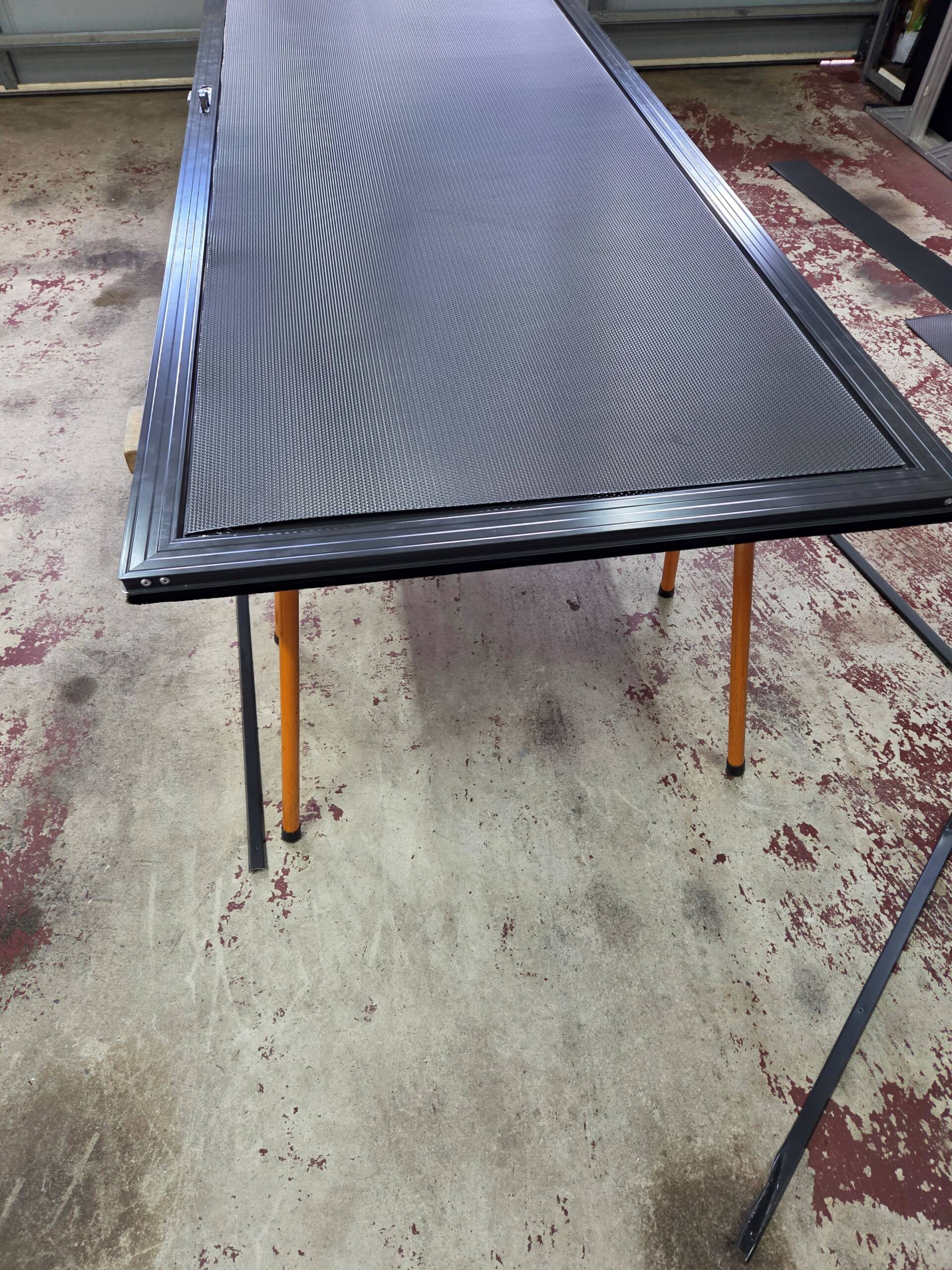
The Value of Custom Fit
Clear Breeze emphasizes customized security solutions.
- Exact Measurements: A security door must have tight tolerances. If the gap between the door and the frame is too wide (generally over 3-4mm), a crowbar can be inserted to leverage the door open. Custom manufacturing ensures the door fits the jamb specifically.
- Door Types: The company offers a range including:
- Stainless Mesh Security Doors
- Privacy Mesh Security Doors
- Perforated Mesh Security Doors
- Steel Security Doors (Bar/Grille styles)
- Colonial Screen Doors (Decorative patterns)
- Standard Diamond Grille (The classic diamond pattern)
Service Area
Clear Breeze operates specifically in the Northern and Western suburbs of Melbourne, including their base in Delahey, Victoria (3037). This local focus allows for rapid response times for lock repairs and consultations.
Part 6: DIY vs. Professional Repair
The Clear Breeze website mentions a “Do It Your Self Form,” acknowledging that some homeowners prefer to handle things themselves. However, for critical security components, professional service is often superior.
The Risks of DIY Mesh Replacement
Re-meshing a screen looks simple on YouTube: pull out the rubber spline, put new mesh on, roll the spline back in.
- The Tension Problem: The hardest part is getting the tension right. Too loose, and it looks terrible and flaps in the wind. Too tight, and you can warp the aluminum frame of the door, causing it to bow inwards (hourglass shape) so it no longer seals against the jamb.
- Tooling: Rolling spline into a security groove requires significant force. Professionals use specialized roller tools that ensure the mesh is locked in without cutting the mesh or damaging the frame.
The Risks of DIY Lock Repair
Locks are precise instruments.
- Springs and Pins: Disassembling a lock cylinder often results in tiny springs and pins flying across the room. If you lose a pin, the lock is useless.
- Security Risk: If a lock is reassembled incorrectly, it might look locked but open with a firm push. A professional locksmith guarantees the mechanism is actually secure.
Part 7: Maintenance Tips for Longevity
Once Clear Breeze has repaired or installed your security door, regular maintenance will extend its life significantly.
- Wash the Mesh: If you have stainless steel mesh, salt and dust can accumulate in the weave. Wash it down with a soft car wash brush and mild detergent every few months to prevent corrosion staining.
- Lubricate Locks: Do not use oil or grease in lock cylinders, as it attracts dust which turns into a grinding paste. Use a graphite powder or a specialized silicon-based dry lubricant.
- Clean Tracks: Vacuum the sliding door tracks weekly. The less grit in the track, the longer your rollers will last.
- Check the Closer: The pneumatic door closer (the tube at the top that shuts the door) can lose pressure. If the door slams or doesn’t latch, adjust the screw at the end of the tube to control the closing speed.
Conclusion
Your security doors are an investment in your family’s safety and your home’s value. Whether you are dealing with a torn flyscreen that lets mosquitoes in, a sliding door that refuses to slide, or a lock that is tricky to turn, Clear Breeze Security Doors offers the comprehensive solutions required.
From the high-tech privacy of DVA mesh to the brute strength of stainless steel, and from simple roller replacements to full powder-coating restoration, their services cover the entire lifecycle of a security door.
If you are in the Northern or Western suburbs of Melbourne, don’t wait until a lock fails completely or a tear becomes a gaping hole. Security maintenance is proactive, not reactive. Ensure your perimeter is secure, your airflow is clean, and your doors operate smoothly.
Contact Clear Breeze Security Doors
- Phone: 0418 314 248
- Email: sales@clearbreezedoors.au
- Location: Delahey, Victoria, 3037
- Services: Mesh Replacement, Lock Repairs, New Installations, Powder Coating.
Secure your home today with the clarity and breeze you deserve.